Sports Physical Therapy
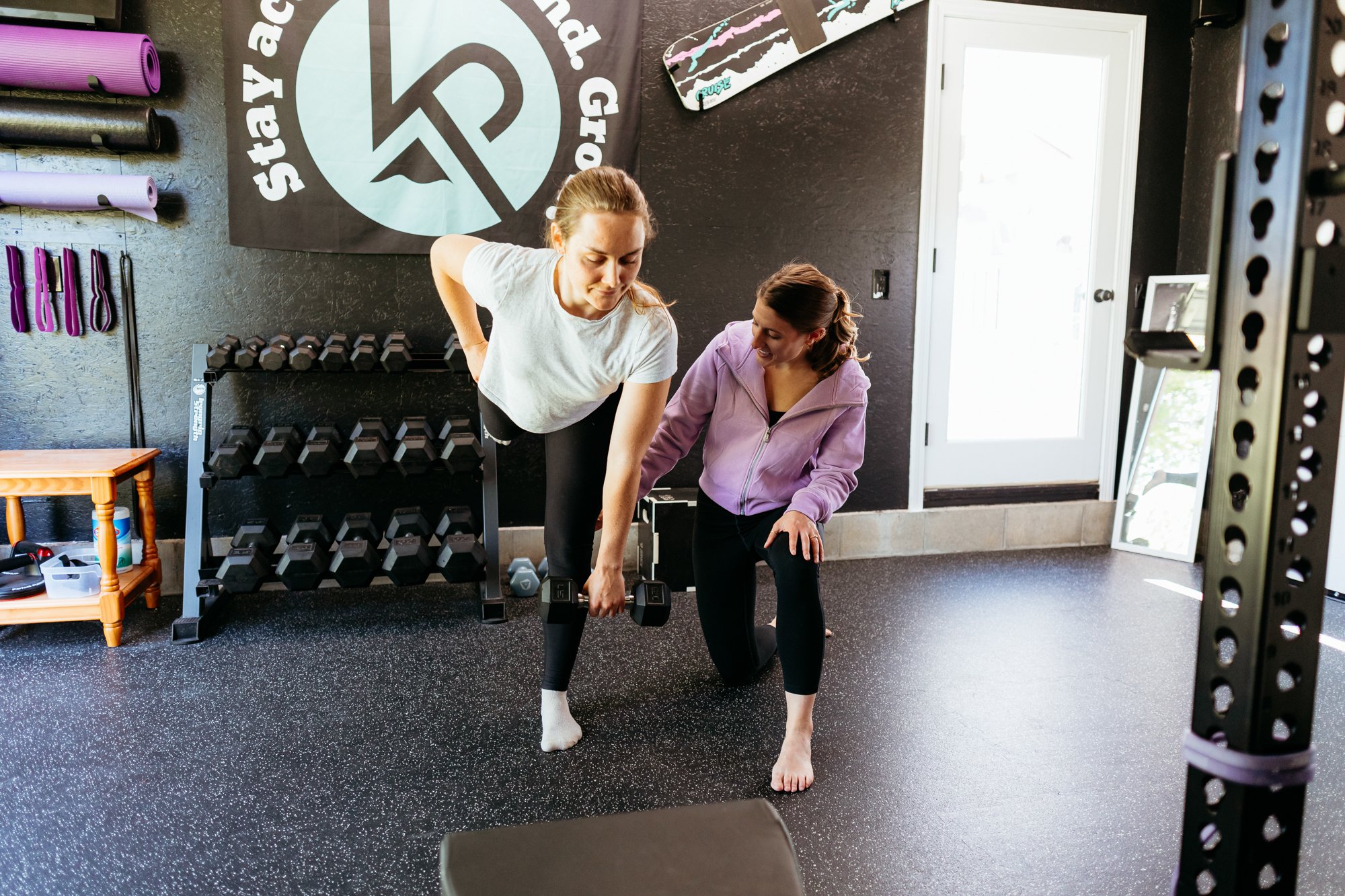
When rest and googling exercises aren’t helping your pain, it's time to meet with a performance physical therapist!
Being sidelined by your pain is frustrating, and I can help keep you playing while addressing your symptoms. There are so many ways we can address your symptoms and manage your training load without making you stop completely.
I work with active individuals struggling with: knee pain with running, shoulder pain after throwing, heel pain with walking, running, or hiking, pain during squats and other lifts, deep groin pain, pain shooting down the leg, and more.
Common diagnoses I treat include:
Runner’s knee (patellofemoral pain syndrome)
Shin splints
Shoulder impingement
Plantar fasciitis
Sciatica
Rotator cuff injury
Ankle sprains
Lumbar disc problems
Hip tendinopathy
You don’t have to keep pushing through those nagging aches and pains.
Have you ever been injured and had your provider tell you to “just stop” playing the sport that injured you? That won’t happen here!
This is not your average physical therapy clinic. All sessions are an hour long focused on meeting your goals. I work with you to make a plan that makes sense with your lifestyle. Because of my individualized approach, I don’t see clients more than once a week. The goal of PT is for you to manage symptoms to get you feeling better, and to become independent with a self care plan to maintain the progress you made in PT! You won’t need to keep coming forever and ever to keep feeling good!
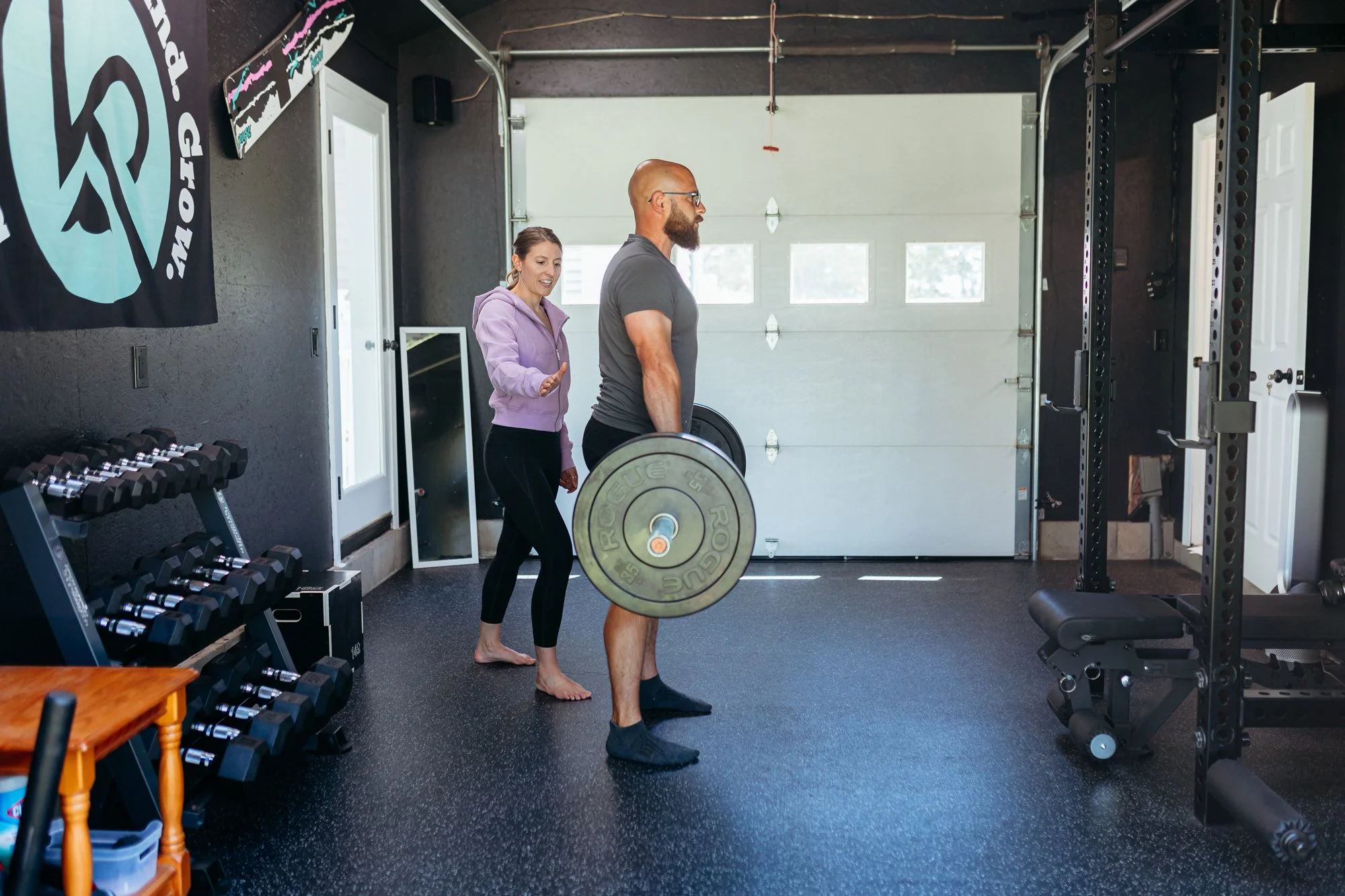
What to expect when you work with me
The most important thing to know is that I’ll listen to your entire story and you’ll get a treatment plan that is specific to you! This is not a cookie-cutter experience.
At your first session we will spend a good amount of time chatting about the symptoms you are experiencing and your medical history to get a better picture of all of the factors that could be contributing to your symptoms. From there, we’ll do a movement analysis. All of this information will help us create a plan to address what I find. We will get started on treatment at the end of the evaluation and then hit the ground running at your next visit!
Some treatment techniques that may be included in your plan of care:
Personalized exercise prescription
Soft tissue mobilization (massage)
Cupping
Dry needling
Muscle scraping
Nerve flossing
Joint mobilizations
The Process
-

Schedule
If you’re ready to get started, you can book your first appointment online.
If you still have questions, feel free to book a discovery call or fill out the form on my contact page.
-

Paperwork
You will receive online paperwork via email to fill out at least 24 hours prior to your evaluation. This will help me prep for your session.
The intake paperwork is extensive so that I have a complete picture and history before we meet.
-

Evaluation
Your evaluation begins with a conversation about your health history and concerns.
From there, I may assess movement patterns, flexibility, strength, and range of motion. We'll discuss what an internal pelvic floor exam entails, and you'll decide if you'd like to include that during your first visit or wait until you're ready.
-

Plan
After the physical exam, we will go over my findings and create an individualized plan of care for you.
This will include how often I think we should schedule follow up sessions, as well as treatment technique recommendations.
Frequently Asked Questions
-
Sports performance PT means that we focus on your sport specific goals. We take a deep dive into your sports specific movement mechanics to optimize performance and reduce your pain. This can be more geared toward your sport and higher level than regular PT.
-
No! We can work on preventing injury, recovery care techniques, and PR goals to keep you performing at your highest level!
-
I mostly work with runners, skiers, snowboarders, weightlifters, hikers, golfers, and racket athletes. But I can work with you on any sport or activity you are having trouble with. If I am unfamiliar with the demands of your sport, I am happy to do some research and learn about required movements from you to help get you back to it. For example, I have worked with someone that does competitive shooting!
-
Sometimes the root of the problem can be coming from somewhere else in the body, which can get missed. That’s why it’s important to take a full body approach when assessing your pain and movement. Hands on techniques are super helpful to get you feeling better, but doing a movement analysis and strength testing can help guide the exercise prescription to keep you performing.
-
By doing a full movement analysis and strength assessments in PT we can target your weaknesses to improve your speed, strength, and power. By optimizing your biomechanics (how your body moves), we can decrease wasted energy and use the most appropriate muscles for the task at hand.
-
Sport performance PT is for any athlete! Whether your sport is organized or you exercise at your own pace, sports performance PT is for any active individual!
-
A sports performance PT has a doctorate level degree that allows them to diagnose injury and a deeper understanding of the human body and biomechanics.
-
We will work together to better understand why your performance has changed through assessment and movement analysis. Based on our findings we will implement necessary changes to your exercises and training load to improve your performance.
-
I will never tell my clients to completely stop training, except when there is a bone injury! There are always ways we can modify the load and implement sport specific exercise prescription as you recover.
-
A PT can perform an injury prevention screen. This is a movement analysis of your sport specific movements demands to determine any weaknesses or range of motion deficits that need to be addressed in order to reduce the risk of injury.
Learn More About Orthopedic PT